The Festetics Estate in Fenékpuszta
The Festetics Estate in Fenékpuszta
In Hungarian, ‘puszta’ does not only mean uninhabited, deserted landscape or settlement. The geography that developed during the 18th and 19th centuries defined the ‘puszta’ as a separate type of settlement. These settlements or parts of settlements were smaller than villages and closely linked to large estates. Their inhabitants were generally not farmers with their own land, but employees who carried out agricultural and craft work on and around the estate in return for board and lodging. The increased spread of such estates can be observed during the second half of the 17th century, when the village infrastructure destroyed during Ottoman rule was reorganised.
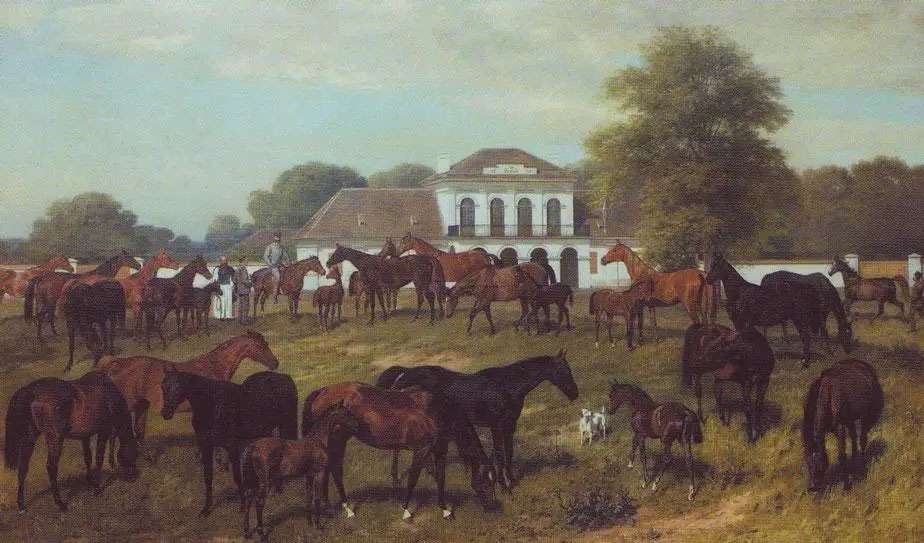
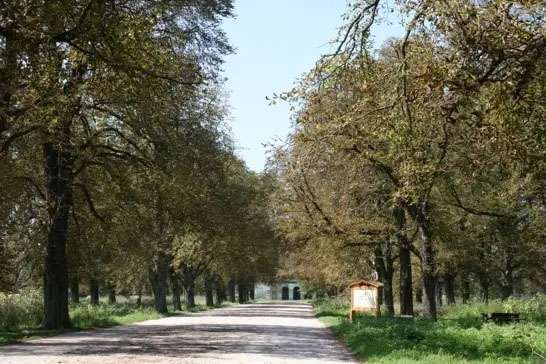
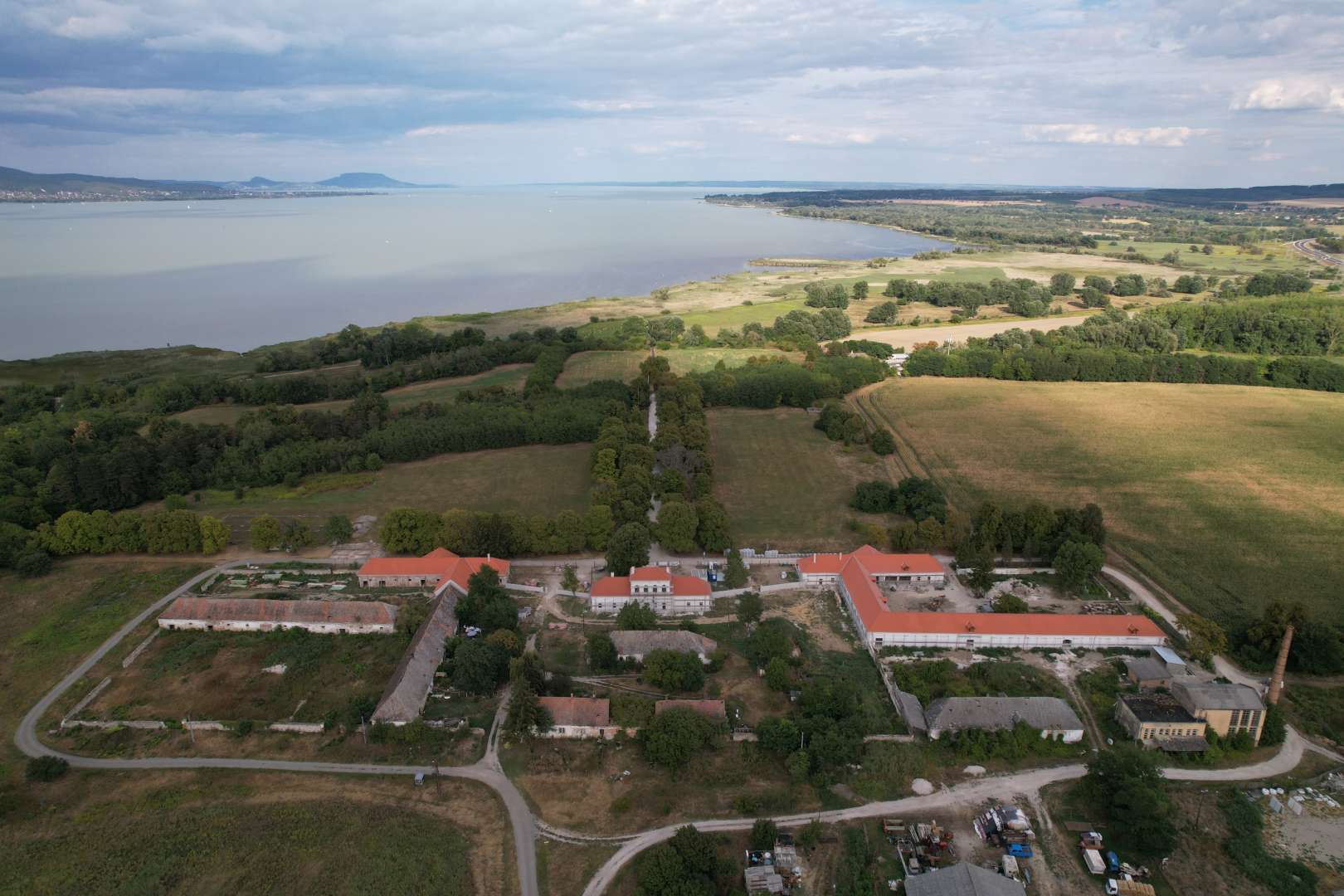
Several of them were established in formerly inhabited places, such as Fenékpuszta, which owed its importance to horse breeding. The estate, which belonged to the Festetics family, was expanded from the 1750s onwards. A tree-lined path led from Keszthely Castle to Fenékpuszta, passing several smaller farms and mills.
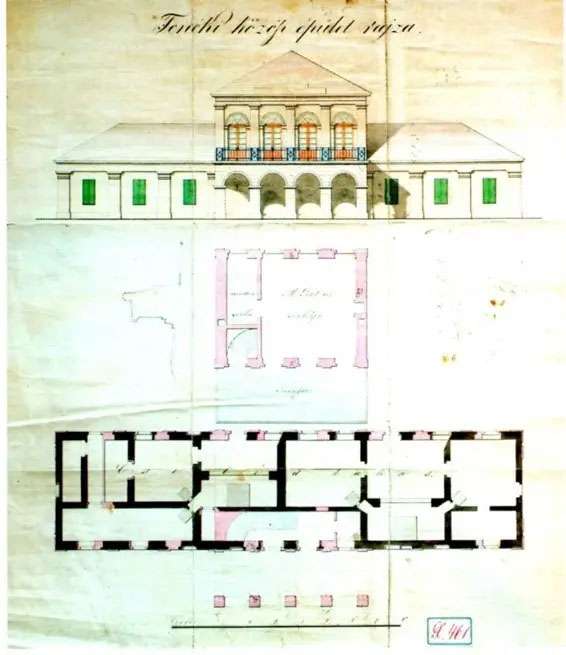
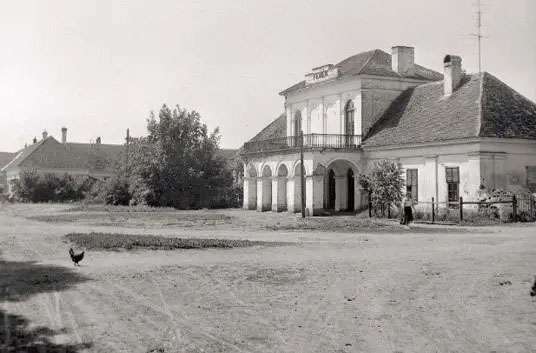
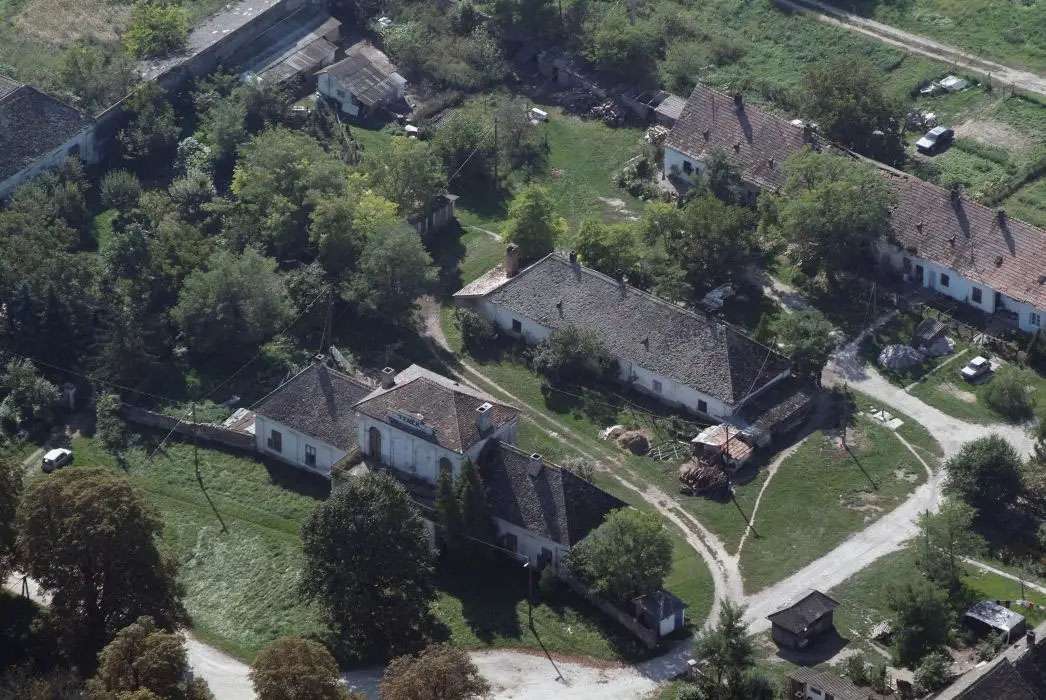
The basic layout of the estate follows a spatial symmetry: the main building is in the centre, with farm buildings and stables to the north and south. At the beginning of the 19th century, László Festetics ordered the complex to be rebuilt in the classicist style. The north and south wings, as further units, each consisted of four courtyards and corresponding stables.
The Festetics Estate in Fenékpuszta has been welcoming visitors since December 2023 as a complex leisure centre with exhibitions and interactive presentations: see permanent exhibitions.